Mental Load
The Mental Load No One Talks About in January
January is supposed to feel like a fresh start.
A reset.
A clean slate.
A chance to breathe after the chaos of the holidays.
But for many moms, January doesn’t feel light at all.
It feels heavy in a quieter, harder-to-name way.
Not loud stress.
Not obvious overwhelm.
Just… a constant hum of thinking.

January Isn’t Empty — It’s Full of Invisible Decisions
Once the holidays end, the structure disappears.
No more countdowns.
No more built-in events.
No more seasonal momentum carrying things forward.
Instead, January asks a lot of quiet questions:
- What needs to change this year?
- What didn’t work last year?
- What should I fix first?
- What can’t be ignored anymore?
Even on calm days, your brain is sorting, prioritizing, adjusting, and forecasting.
That mental work doesn’t show up on a to-do list, but it’s exhausting all the same.

The Mental Load Shifts, It Doesn’t Disappear
In December, the mental load is obvious.
- Schedules.
- Plans.
- Lists.
- Magic-making.
In January, it becomes more internal.
You’re holding:
- new routines that haven’t settled yet
- expectations (yours and everyone else’s)
- financial recalculations after the holidays
- school rhythms restarting
- household systems that feel slightly off
And all of it happens quietly, in the background, while life continues as usual.
That’s why January fatigue feels confusing.
You’re “doing less,” but you’re thinking more.

There’s Pressure to Improve… While You’re Still Recovering
January comes with an unspoken message:
Now is the time to get it together.
- Set goals.
- Make plans.
- Be motivated.
- Fix what didn’t work.
But many moms are still tired.
Still catching up on rest.
Still processing the emotional weight of the holidays.
Still easing back into normal life.
Holding improvement pressure on top of recovery creates a unique kind of strain- one that doesn’t always look like burnout, but feels just as heavy.
You’re Carrying Everyone Else’s Reset, Too
January isn’t just your reset.
It’s your family’s.
Kids adjusting back to routines.
Schedules being rebuilt.
Meals becoming regular again.
Budgets tightening.
Household expectations shifting.
Even when no one says it out loud, you’re often the one smoothing the transition.
That invisible coordination- noticing what’s off, anticipating needs, adjusting the flow- adds to the mental load in ways that are rarely acknowledged.

Why It Feels Hard to Rest in January
January is quiet, but it isn’t still.
There’s a sense that you should be using this time wisely.
- Planning.
- Organizing.
- Preparing.
So even rest can feel unproductive.
But mental load doesn’t ease just because the calendar flips.
It eases when pressure is reduced- not replaced.
Naming the Mental Load Helps Lighten It
Sometimes the most supportive thing you can do in January isn’t fixing anything.

It’s noticing.
Noticing how much thinking you’re doing.
Noticing how many decisions you’re holding.
Noticing that feeling tired doesn’t mean you’re failing.
The mental load no one talks about in January isn’t a sign that something is wrong.
It’s a sign that you’re carrying a lot — quietly, thoughtfully, and often without recognition.
A Gentle Reframe for January
January doesn’t need to be a month of reinvention.
It can be a month of:
- easing back
- observing what needs support
- making fewer decisions
- letting things settle before changing them
You don’t have to solve the whole year right now.
Sometimes the most helpful thing you can do is lower the mental volume and give yourself permission to move slowly- even when everything around you suggests otherwise.
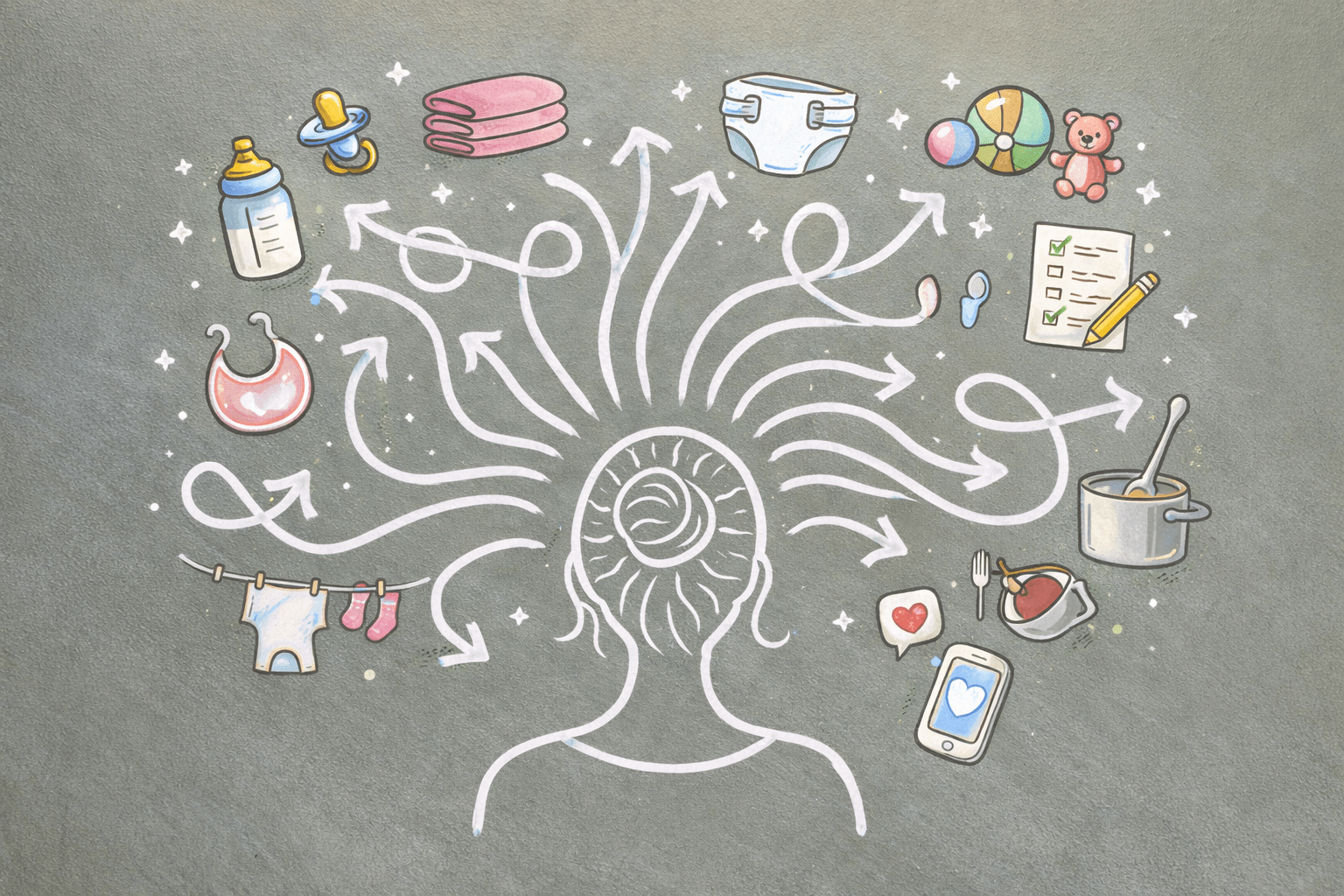
If January Feels Heavy, You’re Not Alone
- If you feel tired without a clear reason…
- If your brain feels busy even on calm days…
- If January feels harder than expected…
You’re not imagining it.
The mental load is real — even when it’s invisible.
And acknowledging it is not weakness.
It’s awareness.
Sometimes that’s the first step toward making things feel lighter again.
How to Plan Your Life When You Feel Unmotivated