Dinner Is Hard for Moms
Dinner has a way of sneaking up on you.
It doesn’t matter how productive your day has been, how many things you’ve crossed off your list, or how early you woke up with good intentions.
Somehow, almost without fail, late afternoon rolls around and there it is again—hovering in the back of your mind.

What’s for dinner?
It sounds like a simple question.
Harmless, even.
But for so many moms, it lands like a weight.
Not because we don’t know how to cook.
Not because we’re disorganized or lazy or incapable.
But because dinner is never just dinner.
- Dinner is timing.
- Dinner is budgeting.
- Dinner is preferences and complaints and compromises.
- Dinner is energy you don’t have at the exact moment it’s required most.
Dinner Happens When Moms Are Already Tired
And when you’re already tired—physically, mentally, emotionally—dinner can feel like the final straw in a day full of invisible labor.
If you’ve ever stood in front of the fridge, door open, staring without really seeing anything…
If you’ve ever thought, “I just can’t think about this right now,”
If you’ve ever felt irrationally emotional over deciding what to cook- There is nothing wrong with you.
Dinner is exhausting because motherhood is layered.
And feeding a family sits right at the intersection of all those layers.

Why Dinner Feels Hard Even When You Know How to Cook
Let’s start with the obvious but often overlooked truth: dinner happens when you’re already depleted.
By late afternoon or early evening, most moms have already spent the day:
- making decisions
- managing emotions (theirs and everyone else’s)
- keeping track of schedules
- responding to needs
- adjusting plans
- doing unpaid, unseen work
Your brain has been “on” for hours.
And then, just when your energy dips—when decision fatigue is at its peak—you’re expected to plan, prepare, and execute a meal that checks a long list of boxes.
It should be:
- nourishing
- affordable
- something everyone will eat
- timed correctly
- balanced
- preferably not boring
- and ideally not something you just made yesterday
That’s not a small task.
That’s project management.
The Daily Mental Load of Feeding a Family
We don’t talk enough about how much cognitive energy this takes.
We tell moms to “just plan ahead” without acknowledging that planning ahead also requires time, clarity, and mental space—three things many moms are already short on.
Dinner Is a Daily Deadline You Can’t Ignore
Unlike laundry or emails or organizing that drawer you keep meaning to get to, dinner is non-negotiable.
You can’t skip it for long.
You can’t reschedule it easily.
You can’t decide you’ll “get to it tomorrow” without consequences.
Why Dinner Is More Than Just One Task
People get hungry.
Kids ask questions.
Time keeps moving.
Dinner shows up every single day, whether you feel ready or not.
That constant inevitability creates pressure.
There’s no finish line.
No “done forever.”
Even when you manage dinner beautifully one night, you know you’ll be right back here tomorrow.
That kind of repetition- especially when paired with responsibility—can wear anyone down.
It’s Not One Task- It’s a Hundred Tiny Ones
One of the biggest reasons dinner feels so exhausting is that we tend to think of it as a single task.
“Make dinner.”
But in reality, dinner is a chain of dozens of micro-decisions and actions that start long before you turn on the stove.
You’re thinking about:
- what you already have
- what needs to be used before it goes bad
- what you can afford
- who likes what
- who suddenly doesn’t like what
- how much time you have
- how tired you are
- whether tonight needs to be easy or filling or comforting
And that’s before you’ve even decided on a meal.
This is the mental load of feeding a family.
It’s not loud or dramatic, but it’s constant.
It hums in the background of your day, taking up space whether you want it to or not.
And because it’s mostly invisible, it’s rarely acknowledged.
The Emotional Weight of “Feeding Them Well”
There’s also an emotional layer that doesn’t get talked about enough.
For many moms, feeding their family feels deeply tied to care, love, and responsibility.
We want our families to be nourished.
We want meals to feel comforting.
We want to “do it right.”
So when dinner feels hard, it’s easy to turn that frustration inward.
Why can’t I get this together?
Why does this feel so overwhelming?
Other people do this every day- why am I struggling?
But the struggle isn’t a personal failure.
It’s a natural response to carrying too much, too consistently, without enough support.

Why “Just Meal Plan” Isn’t Always Helpful Advice
Meal planning gets suggested as the cure-all for dinner stress.
And while planning can absolutely help, the way it’s often presented misses the mark.
Most advice assumes:
- you have consistent energy
- you have uninterrupted time
- you enjoy planning
- you want a rigid system
- you’re aiming for perfection
For many moms, that’s just not real life.
If meal planning feels like another thing you’re failing at, it’s not because meal planning itself is bad—it’s because the system doesn’t fit the season you’re in.
What actually helps isn’t more structure. It’s less decision-making at the moment you’re most tired.
Dinner Fatigue Is Often Decision Fatigue
Decision fatigue happens when your brain has made so many choices that it simply runs out of steam.
By dinner time, you’ve already decided:
- what everyone is wearing
- what needs to happen today
- how to respond to problems
- how to adjust plans
- what can wait and what can’t
Your brain is tired of choosing.
So when dinner rolls around, even a simple decision- tacos or pasta- can feel monumental.
This is why having some decisions made ahead of time can feel like relief, not restriction.
Not because you’re “being productive,” but because you’re protecting your energy.
The Problem Isn’t Dinner, It’s the Timing of Decisions
Here’s the quiet shift that changes everything:
Dinner doesn’t have to be exhausting if you’re not deciding it when you’re already exhausted.
That’s it.
Not cooking more.
Not planning perfectly.
Not following a strict system.
Just moving some of the thinking to a moment when your brain has a little more capacity.
That might look like:
- jotting down a few meal ideas earlier in the day
- keeping a short list of go-to dinners
- loosely mapping meals without assigning days
- deciding once and reusing the plan
The goal isn’t control.
It’s relief.

A Gentle Approach to Meal Planning
(That Doesn’t Demand Perfection)
Instead of thinking about meal planning as a weekly performance, think of it as a support.
Something that:
- holds a few decisions for you
- reduces last-minute stress
- adapts when life changes
- works even when you’re tired
You don’t need to plan every meal.
You don’t need to follow it exactly.
You don’t need to start on Monday.
You just need a place to put the thoughts that are already swirling in your head.
Why Flexibility Matters More Than Consistency
Rigid plans often fail not because moms lack discipline, but because life is unpredictable.
Kids get sick.
Energy shifts.
Plans change.
Some days are just harder than expected.
A supportive meal planning system allows for that.
It leaves room for:
- leftovers
- takeout nights
- cereal for dinner
- changing your mind
Consistency doesn’t mean doing the same thing every day.
It means having something to lean on when your brain is tired.
This Is Why I Created a Simple Meal Prep Planner
I didn’t create a meal prep planner because I wanted to be more productive.
I created it because I was tired of dinner feeling so heavy.
I wanted something that:
- didn’t judge
- didn’t require perfection
- didn’t demand a full week of commitment
- helped me think once instead of every day
This planner isn’t about cooking more elaborate meals or becoming someone who loves planning.
It’s about giving future-you fewer decisions to make at 4:30pm.
You can use it fully.
You can use part of it.
You can skip weeks.
You can come back to it when you need it.
It’s there to support you—not the other way around.
What This Planner Is
(and Isn’t)
It is:
- a place to gather meal ideas
- a way to reduce mental load
- a gentle support for busy days
It is not:
- a strict schedule
- a test you can fail
- a demand on your time
- a rulebook for how you “should” feed your family
You’re allowed to use it imperfectly.
You’re allowed to change your mind.
You’re allowed to let dinner be simple.
Dinner Doesn’t Have to Be Special to Be Enough
Some of the most nourishing meals aren’t impressive.
They’re repetitive.
They’re simple.
They’re familiar.
And that’s okay.
Feeding your family doesn’t need to look a certain way to count. Love shows up in consistency, not complexity.
If dinner has been exhausting for you, it’s not because you’re doing something wrong.
It’s because you’ve been carrying something heavy without enough support.
A small shift- a place to hold your thoughts, a plan that bends—can make a real difference.
If dinner has been draining you, I want you to know this:
- You’re not failing.
- You’re not behind.
- You’re tired—and that makes sense.
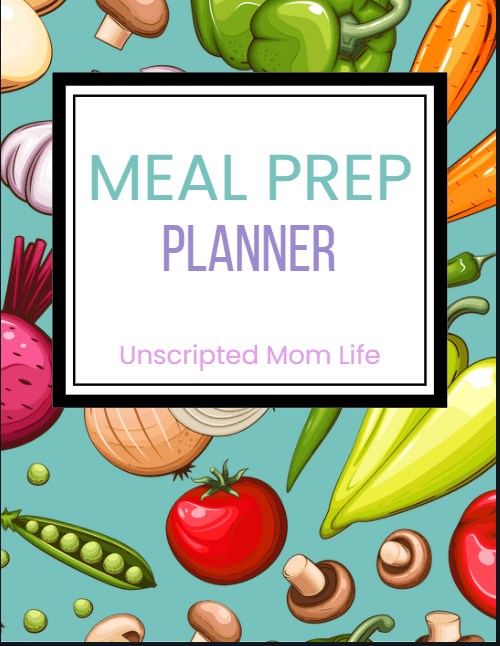
I created a free, simple meal prep planner as a way to lighten that load.
Click the image to subscribe to my newsletter and get your free “Meal Prep Planner” now.
Not to fix you.
Not to make you better.
Just to offer support where it’s needed most.
You can download it below and use it in whatever way feels helpful to you.
Because dinner doesn’t have to be perfect.
It just has to be manageable.
And you deserve that.
Download your Meal Prep Planner now
dinner stress for moms, mental load of dinner, why dinner is exhausting for moms, meal planning for busy moms, decision fatigue moms, dinner overwhelm motherhood
why dinner is hard for moms
Powerful Life and Homeschool Wrap-Up Moments
Sunday Reset Made Easy: A Gentle Routine for Busy Moms